



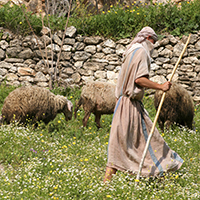
Shepherds
Shepherds were important figures in the Old and New Testaments. David was a shepherd before he was king, and Jesus called himself a shepherd in the New Testament. Read more about the significance of shepherds in the Bible. In Jesus’ day, shepherds either wandered from place to place and… Read More
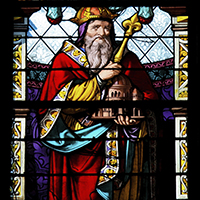


Saints: Men and Women of Honor
In the New Testament, “saints” often referred to people of faith. Learn more about some these early pillars of the faith, who have encouraged people for centuries. Calendar of Saints and Feast Days The letters of the apostle Paul were written to the ‘saints” – one of several terms… Read More

Yom Kippur
Purity is a key theme throughout Scripture. The festival of Yom Kippur calls the people of Israel to recommit themselves to purity on an annual basis. Yom Kippur, the annual Day of Atonement, with its rich historical, liturgical, and theological traditions, has roots deep in the history of ancient… Read More

Umoja
Unity is the first principle of Kwanzaa, but it is also an important characteristic for Christians. The first principle of Kwanzaa is Umoja (oo-MOE-jah) Unity – To strive for and maintain unity in the family, community, nation, and race. Unity in Christ The writer of the Letter to the… Read More

Kujichagulia
Use this meditation to learn more about the importance of self-determination, the second principle of Kwanzaa, in the Christian faith. The second principle of Kwanzaa is Kujichagulia (koo-jee-cha-goo-LEE-ah) Self Determination – To define ourselves, name ourselves, create for ourselves, and speak for ourselves. TAKE HOLD OF THE PRIZE The… Read More

Ujima
Ujima refers to collective work and responsibility. Use this tool to reflect on the role of collective responsibility within the body of Christ. The third principle of Kwanzaa is Ujima (oo-JEE-mah) Collective Work and Responsibility – To build and maintain our community together and make our brothers’ and sister’… Read More

Ujamaa
Acts contains the account of early Christians sharing their possessions and living in community. The fourth principle of Kwanzaa, cooperative economics, contains a similar message. The fourth principle of Kwanzaa is Ujamaa (oo-JAH-mah) Cooperative Economics – To build and maintain our own stores, shops, and othr businesses and to… Read More